
Fiat Ducato Campervan Conversion
Why the Fiat Ducato Is the Perfect Campervan for Van Life
Home > Journal > Campervan Build Series > Why the Fiat Ducato Is the Perfect Campervan for Van Life
My Experience Living and Travelling in Campervans Around the World
Choosing the right van is one of the most important decisions when building a campervan. The vehicle you start with determines everything — the layout you can build, how comfortable it feels to live in, fuel costs when travelling long distances, and how practical the van is day-to-day on the road.
Before building my own campervan, I had the opportunity to work with and rent campervans all around the world. From the freezing winds of Iceland and the Arctic conditions of Norway to the remote landscapes of Kyrgyzstan, I’ve experienced van life in more than twenty different countries and environments. Over that time I saw a huge variety of van styles, layouts, and builds.
What those experiences gave me was a clear understanding of what works — and just as importantly, what doesn’t.
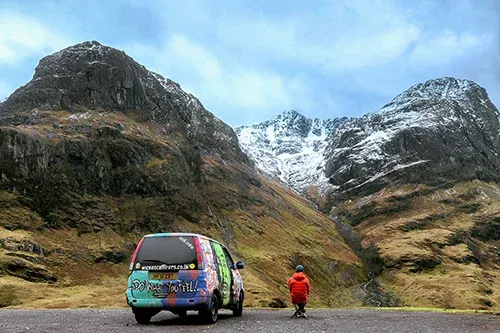
When it came time to build my own campervan in Australia, I didn’t necessarily know exactly what I wanted, but I had a very strong idea of what I didn’t want. That made the research phase much easier.
After comparing several options, I eventually chose a 2016 Fiat Ducato L3H2 cargo van, powered by the 2.3L Multijet diesel engine, as the base for my DIY campervan conversion. After travelling tens of thousands of kilometres across Australia in it, I can confidently say it was the right choice
Vans I Considered Before Choosing the Ducato
Before buying the van I spent months researching different platforms for the conversion. The main vans I considered were:
• Fiat Ducato
• Peugeot Boxer
• Ford Transit
• Volkswagen Crafter
• Mercedes Sprinter
Initially I was very interested in the Volkswagen Crafter and Mercedes Sprinter. Both are extremely popular campervan platforms, and they have a strong reputation for reliability and comfort.
However, once I started pricing the vehicles, it quickly became clear that they would blow my budget. set a total budget of $100,000 for the entire build, including the vehicle itself, and the purchase price of both the Sprinter and Crafter made that extremely difficult.
That left three realistic options:
• Fiat Ducato
• Ford Transit
• Peugeot Boxer
The Ducato and Boxer are extremely similar vans, sharing much of the same platform and design. After spending hours researching builds, watching YouTube conversions, and reading blogs, I decided to go with the Fiat Ducato. In North America, the Fiat Ducato is sold as the RAM Promaster, but the platform and dimensions are essentially the same.
There were three main reasons why it stood out.
Why I Choose the Fiat Ducato for My Campervan Build
The first reason the Fiat Ducato stood out was the price.
I managed to buy my 2016 Fiat Ducato L3H2 with only 68,000 km for $32,500, which I consider an absolute bargain. For a van that would become my full-time home, it gave me a huge amount of flexibility in the budget to focus on the actual conversion.
That decision alone allowed me to build a van that was reliable, comfortable, and capable of travelling off-grid for long periods of time.

Van Specs at a Glance
Here’s the base vehicle behind my self-built campervan — the platform that now carries my life, camera gear, and stories across Australia.
My Fiat Ducato Campervan Specs
My Fiat Ducato Campervan Specs
Van: 2016 Fiat Ducato L3H2
Engine: 2.3L Multijet Diesel
Solar: 600W Enerdrive
Battery: 345Ah Lithium
Layout: East-West Bed
Fuel Economy: 11–13L / 100km Highway
Off-Grid Capability: 10+ Days
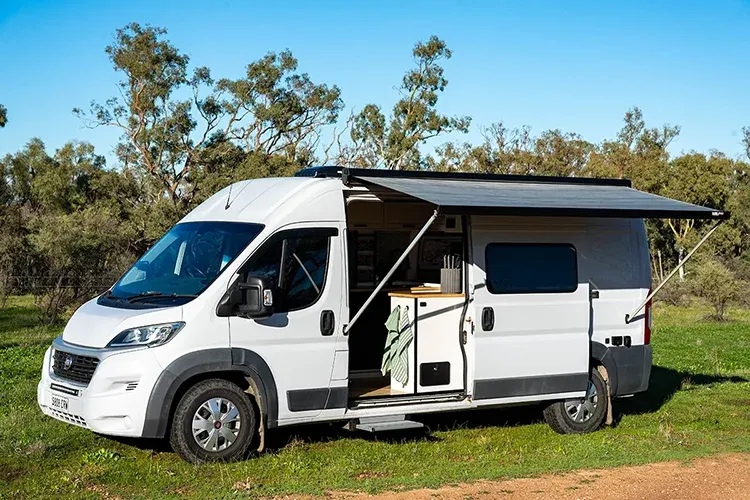
Fiat Ducato Campervan Interior Space and Layout Advantages
One of the biggest advantages of the Fiat Ducato is the interior shape.
Compared to many other vans, the Ducato is extremely square inside. That might sound like a small detail, but when you are building a campervan where almost everything needs to be custom-built, it makes a massive difference.
The Mercedes Sprinter and Volkswagen Crafter are much more curved inside, which makes building cabinetry, beds, and storage systems significantly more difficult. Getting things level and aligned becomes a challenge, and you often lose usable space because of the curved walls.
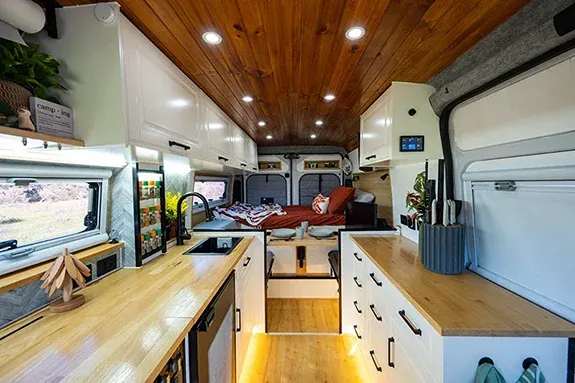
The Benefits of the Fiat Ducato Square Van Interior:
• Less custom cutting
• Easier cabinetry installation
• More usable interior space
• More storage overall
It’s one of those things you really appreciate once you start building.
The East-to-West Bed Layout Advantage
Another major benefit of the Ducato’s width is the ability to build an eat-to-west bed across the van.
This was a huge design factor for me. Being able to sleep across the van rather than lengthways opens up an enormous amount of extra space inside the layout.
Because of this design, I was able to fit:
• Large kitchen
• Seating area
• Convertible queen bed
• Internal storage
• Clear walkway through the van
Without the extra width of the Ducato, this layout simply wouldn’t have been possible.

Fiat Ducato Campervan Fuel Economy Travelling Australia
Fuel economy was another huge factor in choosing the Ducato.
Australia is a big country — seriously big. Even travelling slowly, I still cover around 20,000 km per year, and diesel is easily one of the largest ongoing costs of van life.
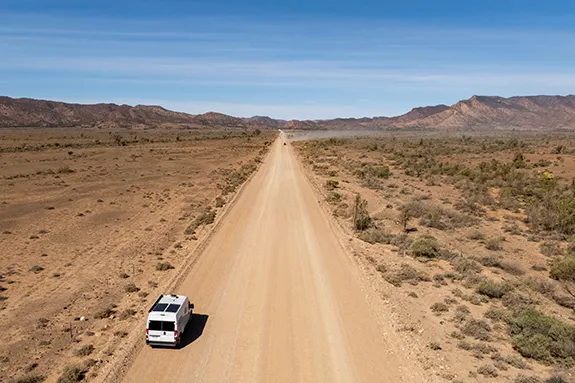
The Ducato performs extremely well in this area. Fully loaded with my entire conversion, I average:
Fiat Ducato real world fuel economy:
11.5-13L per 100km on the highwayaround
7-8L per 100km in town
That gives me close to 1,000 km per tank, which I’m extremely happy with.
I’ve spoken to other van owners driving different platforms who are spending $4,000–$5,000 more per year on diesel, and that difference alone makes a big impact when you’re travelling long-term.
My First Ducato Experience Was in Iceland
Interestingly, my first experience with the Fiat Ducato was actually in Iceland, where I rented one for a campervan trip around the island.
The loop around Iceland is just over 1,000 km, which in Australian terms wouldn’t even get you between some major cities.
But Iceland also has some of the wildest weather conditions imaginable. Strong winds, rough terrain, and constant changes in conditions.
During that trip we drove nearly 2,000 km, and I remember being amazed at how little diesel the van used. We only filled the tank three times, and the final fill-up was just to return it full to the rental company.
That experience stuck with me and was one of the reasons I kept coming back to the Ducato during my research.
Fiat Ducato Solar Setup for Off-Grid Van Life
Another big advantage of the Fiat Ducato is the roof size.
Living full-time in a campervan means being able to stay off-grid for long periods, which requires reliable power.
On the roof of my Ducato I run:
• 600 watts of Enerdrive solar panels
• 345Ah lithium battery system
• Starlink internet
• MaxxAir roof fan
The large roof area allows plenty of space for solar while still leaving room for ventilation and other equipment.
The solar panels not only power the entire van, (You can see my full campervan electrical system setup here.) but they also provide an extra layer of insulation from the Australian heat during the summer months.

Front Wheel Drive vs Rear Wheel Drive
The Ducato uses a front-wheel drive system, which has both advantages and disadvantages.
One of the downsides is that when the van is fully loaded, climbing steep hills can be more challenging compared to a rear-wheel drive van like the Ford Transit.
However, the benefits still outweighed the negatives for my use.
Front-wheel drive allows:
• Lower floor height
• Easier access inside the van
• Slightly better fuel economy
Considering how much highway driving I do compared to mountain driving, the Ducato still made the most sense overall.L
Why the Ducato Works So Well for Full-Time Van Life
After building the conversion and travelling across Australia, the Fiat Ducato has proven to be an excellent platform for full-time van life.
The layout works exactly the way I hoped it would.
Inside the van I now have:
• Large kitchen
• Seating & workspace
• Convertible queen bed
• Off-grid electrical system
• Full water system
At the same time, the L3H2 size still allows me to park in normal supermarket car parks, which makes everyday travel much easier.

Like any small space, there are always moments where you wish you had more room. But overall, the balance between size, practicality, and comfort is exactly what I wanted.
Explore My Full Campervan Build
Want to see the exact campervan gear and products I use full-time? Explore my full campervan gear page here.
I also walk through the entire van in this video.
Final Thoughts on the Fiat Ducato Campervan
Building a campervan is always a series of compromises between budget, space, practicality, and comfort. After travelling in campervans all over the world and eventually building my own, the Fiat Ducato L3H2 proved to be the perfect balance for my needs.
It’s affordable, efficient, practical to build inside, and spacious enough to live in comfortably full-time.
For anyone considering a DIY campervan conversion, the Ducato is definitely a platform worth looking into.
More Articles To Consider
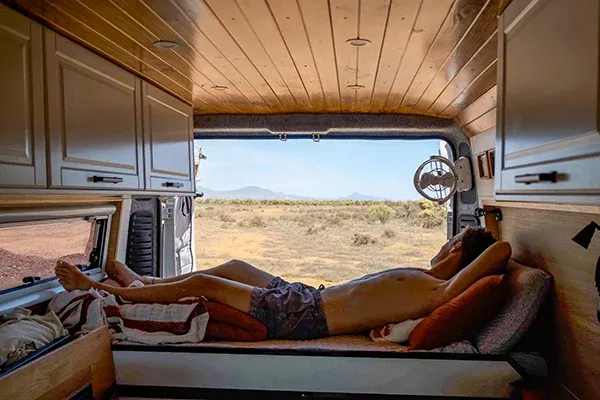
10 Campervan Features That Actually Improved Life on the Road
The campervan features and design choices that have genuinely improved day-to-day life on the road — from practical upgrades to custom ideas that made a real difference.
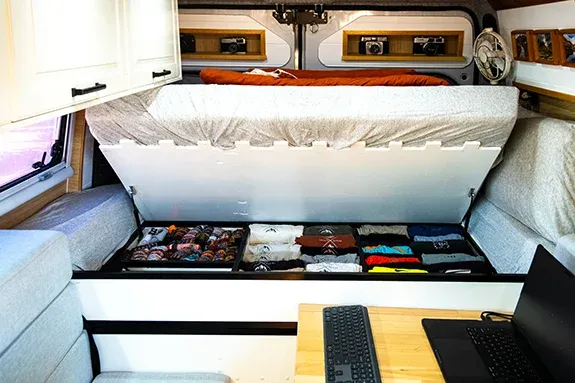
10 Campervan Accessories That Made Life on the Road Easier
A list of the campervan accessories I actually use and rate after living full-time in the van — practical gear that has made travel simpler, more comfortable, and easier to manage.
10 Exterior Campervan Upgrades That Made Van Life Easier
The exterior campervan upgrades that have improved daily life on the road, from outdoor living and access to practical additions that made the van easier to use full-time.
LET'S STAY CONNECTED





Join My Travel Journal
Get honest stories from the road, practical lessons I’ve learnt living on the road, new videos, behind-the-scenes adventures, and things I don’t always share publicly.
Contact Me
South Australia
m: 0459367713
e: [email protected]

Living on the Road • Sharing the Story
Australia-Based
Copyright © Matthew Storer